
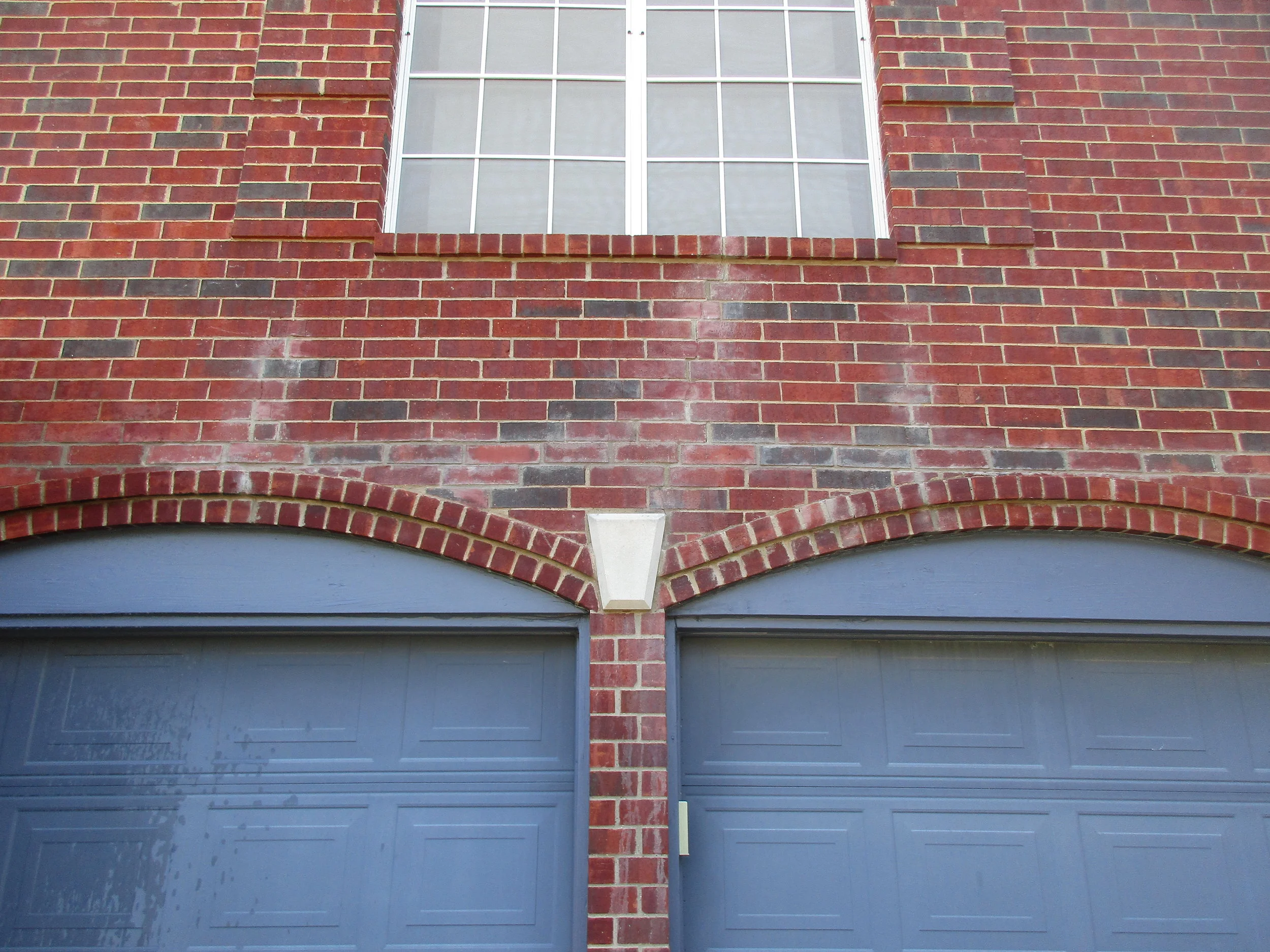
You notice it one morning while pulling out of the driveway — a diagonal crack running through the brick on the corner of your house, stepping down through the mortar joints like a staircase. Your stomach drops. Is this serious? Is the foundation moving? How much is this going to cost? And who in Justin can you actually trust to fix it? These are the questions that send homeowners into a spiral of Google searches, confusing contractor quotes, and second-guessing every decision. You're not alone in feeling this way — and this guide exists to give you straight answers.
Justin, TX sits on some of the most challenging soil in North Texas. Denton County's expansive clay is notorious for shifting with every rain and dry spell, and that movement shows up first in your brick. Add in the rapid growth transforming this community, HOA exterior standards in master-planned neighborhoods, and a masonry contractor market with hundreds of options and zero state licensing requirements — and it's easy to see why homeowners feel overwhelmed before they've even made a single call.
This guide covers everything you need to make a confident decision: what masonry work actually costs in 2026, which local contractors have earned their reputation, how to tell a cosmetic crack from a structural emergency, and what questions to ask before signing anything. By the time you finish reading, the confusion clears — and the path forward becomes obvious.
Key Takeaways
- Justin's 10%+ annual growth and expansive clay soils create constant demand for masonry repairs and new construction work.
- Brick repair and repointing typically costs $799–$2,624 in the DFW area; DFW prices run 5–10% above the national average.
- Texas does not require state licensing for masonry contractors — due diligence on insurance, BBB standing, and references is your only protection.
- Stair-step cracks, L-shaped cracks around openings, and cracks wider than ¼ inch are structural red flags — not cosmetic issues.
- Manufactured stone veneer costs roughly 25% of natural stone and lasts 20–75 years; natural stone can last centuries.
- Outdoor fireplaces deliver approximately 56% ROI; retaining walls can increase home value by up to 15%.
- Fall and winter are the best times to schedule masonry work — labor rates can be 5–10% lower than peak spring season.
- Always get at least three itemized estimates and be skeptical of the lowest bid by a significant margin.
Why Justin, TX Homeowners Need Professional Masonry Services Now
Justin isn't the quiet rural community it was a decade ago. With over 10% annual population growth and projections that the city will double to 20,000–24,000 residents within the next decade (Cross Timbers Gazette, Feb 2025), the demand for skilled masonry work has never been higher. New construction is booming, existing homeowners are upgrading to compete with gleaming new builds, and HOA communities are enforcing exterior standards that require professional-grade work. At the same time, the ground beneath Justin's homes is working against every brick and mortar joint — quietly, relentlessly, and expensively.
The outdoor living trend is also reshaping what homeowners expect from their properties. Outdoor kitchen masonry projects and custom fireplaces have become standard requests in high-income northwest Denton County neighborhoods, where median household incomes in Justin reach $114,157 and Haslet tops $142,656. These aren't luxury add-ons anymore — they're expected features that protect and grow property values. And retaining wall installation and repair has become critical as sloped lots in newer developments require proper erosion management from day one.
The Expansive Clay Soil Problem: Why Brick Cracks Appear in Justin
Denton County sits on some of the most challenging soil in Texas. The expansive clay that underlies most of Justin has what geologists call "shrink-swell characteristics" — it contracts during dry spells, pulling away from foundations and footings, then expands dramatically when rain arrives, pushing back against everything it surrounds. This cycle happens every season, every year, without stopping.
The result is constant, low-grade foundation movement that shows up in your brick long before it shows up anywhere else. Stair-step cracks through mortar joints, vertical fissures near corners, doors and windows that suddenly stick or won't close properly — these are the fingerprints of clay soil doing what it always does. According to data from Brick & Stone Master (Apr 2026), 60–70% of brick repair calls in the DFW area are directly related to foundation movement, not poor original installation. That's a critical distinction, because it means the repair isn't just cosmetic — it's structural — and it requires a mason who understands the underlying cause, not just the visible symptom.
New Construction & Renovation Boom in Northwest Denton County
The scale of development happening around Justin right now is staggering. Hillwood's Treeline community alone will bring 2,700 homes, while the Landmark community in Denton is planned for approximately 6,000 single-family homes with model homes opening in Spring 2026. Timberbrook along FM 156 is adding thousands more. Each of these communities creates masonry demand on two fronts: new construction requiring exterior masonry, outdoor spaces, and HOA-compliant features, and existing homeowners in adjacent neighborhoods upgrading their properties to stay competitive in a fast-moving market.
Master-planned communities like Harvest and Timberbrook don't just suggest exterior standards — they enforce them through architectural review processes. That means a DIY patch job on a cracked brick wall won't pass muster. Professional masonry work, properly permitted and executed to community standards, is the only path to compliance. For homeowners in these communities, choosing the right contractor isn't optional — it's required.
Average Masonry Costs in Justin, TX: What You'll Actually Pay in 2026
One of the biggest sources of anxiety for homeowners is not knowing what something should cost before the first contractor walks through the door. That information gap puts you at a disadvantage from the start. Here's what the data actually shows for masonry work in the DFW area in 2026, broken down by project type.
For a detailed brick repair cost breakdown that goes deeper on individual repair types, that resource covers the full range of scenarios you might encounter. But here's the working framework for budgeting purposes:
- Brick repair and repointing: $799–$2,624 average (HomeAdvisor, 2025); $10–$30 per sq ft (HomeGuide, Feb 2026)
- Manufactured stone veneer installation: $13–$22 per sq ft installed; materials run $15–$25 per sq ft (CountBricks, Feb 2026)
- Natural stone veneer: $25–$45+ per sq ft for materials; labor adds significantly to this figure
- Outdoor fireplace: $3,000–$21,000 average; luxury custom builds with seating and full surrounds can exceed $50,000 (Fixr.com, Jan 2026)
- Retaining walls: $40–$360 per linear foot for walls 2–6 feet tall (Angi, Mar 2026)
- Full brick exterior on new construction: $13–$22 per sq ft for brick veneer; natural stone siding for a 2,500 sq ft house runs $87,500–$125,000 (Angi, Mar 2026)
- Outdoor kitchen (professional installation): ~$13,180 average (LawnLove, Dec 2025)
DFW masonry prices run slightly higher than the national average — roughly 5–10% — due to strong regional demand, ongoing labor shortages, and the complexity of foundation-related repairs that are endemic to this area. The U.S. masonry industry needs an estimated 31,400 more masons to meet current demand (Texas Masonry, citing Dept. of Labor), and that shortage is felt directly in DFW pricing and scheduling timelines.
If your concern involves foundation-related cracking, the stair-step crack repair pricing guide provides specific cost ranges for the most common type of foundation-movement damage seen in Denton County homes.
Hidden Costs That Surprise Homeowners
The quote you receive from a contractor is rarely the final number. Several costs routinely catch homeowners off guard — not because contractors are hiding them, but because homeowners don't know to ask about them upfront.
- Permits: $50–$500 depending on project scope; required for structural walls, retaining walls over 4 ft, and fireplaces
- Engineering assessments: Required for retaining walls over 4 ft; adds $500–$2,000+ to project costs
- Demolition and removal: $15–$30 per linear foot for old retaining walls; general demo runs $8–$20 per sq ft
- Drainage modifications: French drain installation costs $10–$85+ per linear foot — non-negotiable in clay soil areas
- HOA architectural review fees: Varies by community; typically $100–$500 for exterior modification approvals
- Site preparation: Clearing, grading, and excavation on sloped or difficult terrain; $500–$3,000 (Angi, Mar 2026)
Financing Your Masonry Project
For larger projects — a full stone facade, an outdoor living space, or a major structural repair — financing is a practical consideration. According to the 2025 Remodeling Impact Report from the National Association of Realtors, 54% of homeowners used a home equity loan or HELOC to fund their most recent remodel (The Mortgage Reports, Mar 2026).
- HELOC: Lower variable rates, 2–6 week funding timeline, interest may be tax-deductible for home improvements; requires 620–680 minimum credit score
- Home equity loan: Fixed rates, lump-sum funding, similar tax benefits to HELOC; good for projects with a defined total cost
- Personal loans: Faster funding (1–3 business days), higher interest rates, $1,000–$100,000 range; minimum credit score typically 580–670
- Contractor payment plans: Deposit at contract signing, progress payment on material delivery, final balance at completion — common structure in North Texas (TriStar Built, Mar 2026)
Contractor Licensing & Insurance: How to Verify Legitimacy in Texas
Here's something most homeowners don't know until it's too late: Texas does not require state licensing for masonry contractors. Masonry is an unlicensed trade at the state level. The Texas Department of Licensing and Regulation (TDLR) does not issue a masonry contractor license, and there is no statewide general contractor license either (ABLEMKR, Nov 2025; Foyr, Jul 2025). General contractors are regulated at the city level, and requirements vary by municipality.
This doesn't mean every masonry contractor is unqualified — it means the burden of vetting falls entirely on you. Insurance and bonding are not legally required, but they are absolutely critical for your protection. A contractor without workers' compensation insurance means that if a worker is injured on your property, you could be held liable. Texas is the only state where workers' comp is optional for private employers — which makes it all the more important to ask about it directly.
It's Normal to Feel Overwhelmed by Contractor Choices
With hundreds of masonry contractors operating in DFW and no state licensing requirement to filter them, vetting can feel like a full-time job. That's exactly why due diligence — checking insurance, references, and BBB standing — matters so much. You're making a smart, significant investment in your home, and doing your homework before signing anything is the single best protection you have.
The Due-Diligence Checklist Every Homeowner Should Use
Use this checklist with every contractor you're seriously considering. Review the masonry contractor vetting checklist for additional guidance on evaluating credentials and professionalism.
- Request a Certificate of Insurance: Ask for proof of general liability and workers' compensation insurance. Don't just look at the document — call the insurer directly to confirm the policy is active and covers your project type.
- Check BBB standing: Visit bbb.org and search the contractor's name. Look for their rating, any complaint history, and how complaints were resolved. A pattern of unresolved complaints is a serious red flag.
- Verify business registration: Search the Texas Secretary of State database at sos.texas.gov to confirm the business is legitimately registered in Texas.
- Contact at least 3 references: Ask specifically about timeliness, budget adherence, job site cleanliness, and whether any issues arose after project completion. Ask if they would hire the contractor again.
- Get everything in writing: Detailed estimate, signed contract, warranty terms, and project timeline — before a single brick is touched.
Permits Required for Masonry Work in Justin & Denton County
The Town of Justin requires building permits for a range of improvements, and Denton County requires development permits for property improvements in unincorporated areas. Here's what typically requires a permit for masonry work:
- Structural walls: Always require a building permit
- Retaining walls over 4 ft: Require permit and engineered drawings (PermitMint)
- Fireplaces and chimneys: Masonry fireplaces, wood stoves, pellet stoves, and gas inserts all require permits
- Permit costs: $50–$500 depending on project scope; approval timelines range from days to weeks for complex projects
Any reputable contractor will handle permit applications as part of the project — and will include permit costs in their estimate. If a contractor tells you permits aren't necessary for a project that clearly requires them, walk away.
Ready to vet a contractor with confidence? If you're dealing with foundation-related brick cracking or complex structural repairs, a professional assessment is the right starting point — not a guess.
Learn About Brick & Stone Master's ApproachTop 5 Stone & Brick Masonry Companies in Justin, TX: Compared & Reviewed
Finding a trustworthy masonry contractor in the Justin area means sorting through a market with hundreds of options and no state licensing filter. The five companies below represent established, reputable contractors serving northwest Denton County — each with different strengths, specializations, and service profiles to match different homeowner needs.
1. Brick & Stone Master — Local Expertise in Expansive Soil Repairs
Address: 3800 Haslet-Roanoke Road Suite 32, Roanoke, Texas 76262
Specialization: Brick and stone repairs, custom masonry design, foundation-related damage
Best for: Homeowners dealing with foundation movement, stair-step cracking, and complex structural repairs
Brick & Stone Master is positioned as a regional authority on the masonry challenges specific to DFW's expansive clay soils — the exact conditions that drive the majority of repair calls in Justin and surrounding communities. Their team is known for seamless material matching, which matters enormously when repairing existing brick: a poor color or texture match is immediately visible and can diminish the entire appearance of a home's exterior. Their published resources on local masonry challenges reflect a depth of knowledge that goes beyond typical contractor expertise.
For homeowners dealing with brick and stone repair needs — whether it's cracked mortar, spalling brick, or structural damage from foundation movement — Brick & Stone Master brings the regional knowledge that makes the difference between a repair that holds and one that fails again in two years.
2. McFall Masonry & Construction — 35+ Years of DFW Experience
Address: 232 Westover Dr, Argyle, TX 76226
Specialization: Brick and stone installations and repairs, comprehensive outdoor living spaces
Best for: Homeowners wanting a single contractor for complete outdoor transformations
With over 35 years in the DFW market, McFall Masonry brings the kind of institutional knowledge that only comes from decades of working in North Texas conditions. Clients consistently praise their communication and professionalism — the ability to keep a homeowner informed throughout a project is underrated, and it's something McFall has built a reputation around. Their standout differentiator is their comprehensive outdoor living service offering: custom firepits, outdoor kitchen and fireplace masonry, retaining walls, and water features — all under one contractor relationship. For homeowners planning a full backyard transformation, that single-point accountability is valuable.
3. Brick Experts DFW — 25+ Years, 5-Star Rated in Denton
Address: 1332 Teasley Ln Ste 284, Denton, TX 76205
Specialization: Emergency repairs, custom outdoor projects, foundation-related damage
Best for: Homeowners seeking emergency repairs or proven track record on custom work
Brick Experts DFW has built a strong reputation in Denton County over 25+ years, with consistently high ratings that reflect reliable, quality-focused work. Their deep understanding of North Texas soil challenges — particularly the foundation repair issues driven by expansive clay — makes them a strong candidate for homeowners whose brick damage has a structural root cause. They're also noted for their expertise in brick and mortar matching, which is one of the most technically demanding aspects of repair work in older neighborhoods where original materials may no longer be in production.
4. Cobblestone Masonry DFW — Artistic Custom Designs
Service Area: Denton and Dallas areas within a 60-mile radius of Denton
Specialization: Brick, block, stone, stucco; custom decorative work, mailboxes, garden walls
Best for: Homeowners wanting distinctive, artistic masonry features
Cobblestone Masonry DFW occupies a unique niche in the market — they describe their approach as creating masonry that resembles art, and clients back that up. Their use of high-grade materials and emphasis on custom design makes them the right choice for homeowners who want something beyond standard brick and mortar. They handle everything from traditional brick and stone installations to custom garden walls, specialty stucco, and brick mailbox replacement services and decorative entry features. If your project has an aesthetic vision that goes beyond the ordinary, Cobblestone is worth a conversation.
5. Corrective Masonry — 40 Years of Master Mason Experience
Address: 7410 Boulevard 26, Richland Hills, TX 76180
Specialization: All brick repairs including chimneys, cracked mortar, decorative stonework
Best for: Homeowners needing specialized chimney work or detailed repair projects
Established in 2005, Corrective Masonry brings a master mason with 40 years of hands-on experience — a level of expertise that shows in the quality and thoroughness clients consistently describe. Their specialization in chimney repairs, cracked mortar restoration, and decorative stonework fills a specific niche that not every contractor handles well. Clients appreciate that they approach both small repairs and large-scale projects with the same level of care. If your project involves chimney restoration or detailed repair work that requires genuine masonry expertise rather than general construction skills, Corrective Masonry is a strong candidate.
Brick Cracking & Foundation Issues: What's Cosmetic vs. Structural
The crack you spotted on your brick wall this morning might be nothing — or it might be telling you something important about what's happening beneath your foundation. Knowing the difference is the most valuable piece of knowledge a Justin homeowner can have, because the response to each is completely different. Treating a structural crack as cosmetic delays a repair that grows more expensive every month. Treating a cosmetic crack as structural sends you down an expensive rabbit hole of unnecessary assessments.
For a detailed look at the most common type of foundation-movement damage in this area, the guide on stair-step crack assessment and repair covers the diagnostic process and cost implications in depth.
⚠ Don't Ignore Stair-Step Cracks — They're a Red Flag
Stair-step cracks running diagonally through mortar joints are a sign of foundation movement, not cosmetic settling. In Denton County's expansive clay soils, this pattern is common — but it is never something to watch and wait on. Every season that passes without repair allows the movement to continue and the damage to compound. What costs $1,500 to fix today can cost $8,000–$15,000 if ignored for two or three years.
Cosmetic Cracks: When You Can Wait
Not every crack demands immediate action. Hairline cracks — less than 1/16 inch wide — in mortar joints are a normal result of the natural settling that happens in every structure over time. These cracks don't affect the structural integrity of your wall, and they're not going to cause your house to fall down. However, they're not entirely harmless either: over time, even small cracks allow water infiltration, which accelerates mortar deterioration and can eventually become a more serious issue.
Cosmetic crack repair through repointing typically costs $500–$2,500 and can be scheduled at your convenience. If you want to understand the full cost picture before calling a contractor, the resource on how much brick wall repair costs in DFW provides a comprehensive breakdown by repair type and severity. The best time to address cosmetic cracks is during fall or winter when contractor schedules are more open and pricing may be more favorable.
Structural Red Flags: When to Call a Professional Immediately
These are the crack patterns that require professional assessment without delay:
- Vertical cracks wider than ¼ inch that widen as they ascend the wall
- Stair-step cracks running diagonally through mortar joints — the most common sign of foundation movement in DFW
- L-shaped cracks around windows, doors, or corners of the structure
- Horizontal fissures, especially in basement walls or near the foundation line
- Accompanying symptoms: doors or windows that stick or won't close properly, sloping floors, bulging walls, or visible gaps between the wall and ceiling/floor
Any one of these signs warrants a call to a professional mason — and potentially a structural engineer — before the situation deteriorates further. In Justin's clay soil environment, these patterns are not random. They're telling you that the ground beneath your home is moving, and the brick is absorbing that stress. The longer the movement continues unaddressed, the more expensive the repair becomes.
Seeing stair-step cracks or signs of foundation movement in your Justin home? Getting a professional assessment now can save thousands compared to addressing the same damage after another season of clay soil movement. Brick & Stone Master specializes in exactly this type of foundation-related damage.
Explore Brick & Stone Repair ServicesStone Veneer vs. Natural Stone: Durability, Cost & Maintenance
One of the most common questions homeowners face when planning an exterior upgrade or new outdoor feature is whether to use manufactured stone veneer or natural stone. The answer depends on your budget, your timeline, and how long you plan to own the home — because the trade-offs between these two materials are real and significant.
For a closer look at specific thin veneer stone applications and what they look like in practice, that resource covers the installation options in detail. Here's the practical comparison every homeowner should understand before making a material decision.
Manufactured Stone Veneer: Affordable & Practical
Manufactured stone veneer is made from concrete and aggregates, engineered to mimic the appearance of natural stone at a fraction of the cost and weight. It installs faster, requires less structural support, and offers consistent sizing that makes installation more predictable. The cost range is $10–$45 per square foot installed, with materials running $15–$25 per square foot (CountBricks, Feb 2026).
With proper installation and maintenance, manufactured veneer lasts 20–75 years — a meaningful lifespan for most homeowners. The lighter weight is particularly relevant in DFW, where foundation movement is a concern: less weight means less stress on the structure over time. For budget-conscious homeowners who want the aesthetic of stone without the premium price tag, manufactured veneer is a legitimate, durable choice.
Natural Stone: Premium Durability & Aesthetics
Natural stone — limestone, granite, slate, and other quarried materials — is in a different category entirely when it comes to longevity. Properly installed natural stone can last centuries, and each piece is genuinely unique in texture and color. The cost reflects that: materials run $25–$45+ per square foot, and natural stone siding for a 2,500 sq ft house ranges from $87,500 to $125,000 (Angi, Mar 2026). Labor is also more intensive, as natural stone requires more skill to cut, fit, and install correctly.
For high-end projects, long-term investments, or homeowners who prioritize aesthetic uniqueness and maximum durability, natural stone delivers value that manufactured veneer simply cannot match. Well-maintained exterior stonework can add 5–10% to a home's appraised value (Appraisal Institute, 2025 data), and natural stone's permanence makes it a compelling choice for features like entry columns, retaining walls, and outdoor fireplaces that you want to last for decades.
Maintenance for Both Types
Neither material is truly maintenance-free. Both require periodic attention to stay in good condition and achieve their full lifespan potential.
- Regular cleaning: Remove dirt, algae, and weathering stains to preserve appearance and prevent material degradation
- Sealing and waterproofing: Waterproofing new brickwork costs $2–$10 per sq ft and significantly extends lifespan by preventing water infiltration
- Repointing mortar joints: Every 30–50 years for most applications; costs $500–$2,500 per project (Angi, Mar 2026)
- Annual maintenance for outdoor fireplaces: $100–$300 per year to inspect and maintain mortar, flue, and surround (Angi, Apr 2026)
Outdoor Kitchens & Fireplaces: Masonry Projects That Add Real Value
In Justin's high-income, fast-growing communities, outdoor living spaces have moved from luxury to expectation. Homes in Harvest, Timberbrook, and similar master-planned neighborhoods are competing with new builds that include outdoor entertaining areas as standard features. If your backyard still looks like 2015, you're already behind the market — and the masonry investment required to catch up delivers measurable returns.
Outdoor fireplaces deliver an estimated 56% ROI (Angi, Apr 2026), retaining walls can increase home value by up to 15% (LawnLove, Dec 2025), and well-maintained brick exteriors add 5–10% to appraised value (Appraisal Institute, 2025 data). These aren't speculative numbers — they reflect what buyers in the DFW market are consistently willing to pay for properties with quality outdoor masonry features.
For a complete picture of what these projects involve, the outdoor kitchen masonry cost and design guide breaks down every component from countertops to built-in grills. And before you start planning, understanding the permit requirements is essential — the masonry outdoor kitchen installation permit guide for DFW covers what's required for electrical, plumbing, and structural elements.
Outdoor Fireplace: From Simple to Luxury
Outdoor fireplaces range from straightforward prefabricated units to fully custom masonry builds that anchor an entire outdoor living space. Here's the realistic cost breakdown:
- Prefabricated fireplace: $1,500–$9,000; faster installation, limited customization options (HomeGuide, Jan 2026)
- Custom-built masonry fireplace: $6,000–$20,000; fully customized design, material choices, and dimensions (HomeGuide, Jan 2026)
- Luxury builds with integrated seating, full chimney, decorative stone surround, and outdoor room: $20,000–$50,000+ (Fixr.com, Jan 2026)
- Timeline: 2–4 weeks for most projects; custom luxury builds may take longer depending on material sourcing
- Permits: Required in Justin; budget $100–$300 in permit fees and factor in the approval timeline
Outdoor Kitchen: A Complete Masonry Investment
A professionally installed outdoor kitchen averages approximately $13,180 (LawnLove, Dec 2025) and typically includes a built-in grill, stone or tile countertops, a sink, storage, and seating areas. Custom designs with high-end finishes, refrigeration, and elaborate stonework can exceed $25,000. These projects require permits for electrical, plumbing, and structural elements — and they require a mason who understands how to integrate those systems into a masonry structure that will hold up to North Texas weather for decades.
The ROI on outdoor kitchens is strong in the DFW market, where buyers actively seek properties with functional outdoor entertaining spaces. In Justin's competitive new-construction environment, a well-designed outdoor kitchen distinguishes your existing home from a spec build in a way that buyers notice and pay for.
Planning an outdoor kitchen or fireplace? These projects require careful planning, permits, and skilled masonry work. Explore design options and get a realistic sense of what's involved from contractors experienced in outdoor living builds.
See Outdoor Kitchen Cost & Design BreakdownRetaining Walls: Preventing Failure in Denton County's Clay Soils
Retaining walls in Justin aren't just aesthetic features — they're functional infrastructure that manages erosion, controls sloped terrain, and protects your foundation from the lateral movement of soil. In Denton County's expansive clay environment, a retaining wall that isn't properly designed and drained isn't just ineffective — it's a liability waiting to fail.
The cost range for retaining walls is $40–$360 per linear foot for walls 2–6 feet tall (Angi, Mar 2026), with the wide range reflecting differences in material, wall height, drainage requirements, and site conditions. For detailed guidance on construction methods, material options, and maintenance requirements, the retaining wall installation and repair resource covers the full scope of what these projects involve in North Texas conditions.
Why Drainage Matters More Than You Think
Expansive clay soils expand when wet, creating hydrostatic pressure — the force of water-saturated soil pushing against a retaining wall. Without proper drainage behind the wall, this pressure builds season after season until the wall buckles, leans, or collapses entirely. French drain installation costs $10–$85+ per linear foot, and in Denton County, it's not an optional upgrade — it's the difference between a wall that lasts decades and one that fails in five years. Every retaining wall project in this area must include a drainage solution.
Why Drainage Is Non-Negotiable in Clay Soil Areas
The physics of what happens to a retaining wall in clay soil without proper drainage are straightforward: when rain saturates the clay behind the wall, the soil expands and the water has nowhere to go. The pressure against the wall increases with every wet season. Eventually, something gives — usually the wall itself. Wall failure in this scenario is almost always more expensive to address than the drainage system that would have prevented it. A French drain installation ($10–$85+ per linear foot) is the critical investment that extends wall lifespan by decades and prevents catastrophic failure (HomeGuide, Jan 2026).
Signs Your Retaining Wall Needs Attention
Retaining walls communicate their distress in visible ways — if you know what to look for. Any of these signs warrants a professional evaluation before the situation escalates:
- Visible cracks or bulging in the wall face
- Water pooling or seeping through the wall structure
- Soil erosion at the base or along the top of the wall
- Leaning or tilting of the wall — even slight movement is a warning sign
- Separation between the wall and adjacent structures or landscaping
Prompt repair of a distressed retaining wall is always less expensive than emergency replacement after failure. The Brickyard WI (Mar 2026) notes that skipping proper drainage or delaying repairs almost always leads to complete wall failure — a scenario that compounds costs dramatically and can damage adjacent landscaping, foundations, and structures in the process.
Seasonal Timing & Pricing: When to Schedule Your Masonry Project in Justin
Timing your masonry project strategically can save real money and improve your experience with the contractor. North Texas has distinct seasonal patterns that affect both pricing and project quality — and understanding them puts you in a better negotiating position.
💡 Schedule Masonry Work in Fall or Winter for Better Pricing
Masonry contractors in North Texas are significantly less busy during cooler months and may offer 5–10% discounts on labor (CountBricks, Feb 2026). Spring is peak season — contractors are fully booked and have no incentive to negotiate. If your repair or project isn't urgent, timing it for fall or winter can meaningfully reduce your total cost while also giving you more scheduling flexibility and contractor attention.
Best Time to Schedule: Fall & Winter
Fall (September–October) offers some of the best conditions for masonry work in North Texas: favorable temperatures for mortar curing, moderate contractor demand, and contractors who are genuinely willing to negotiate on pricing and scheduling. The cooler air is easier on workers and allows mortar to cure at the optimal rate — not too fast in extreme heat, not too slow in cold.
Winter (November–February) is the slowest period for masonry contractors in the DFW area. Labor rates can be 5–10% lower than peak season, scheduling is more flexible, and you're likely to get more of the contractor's attention and care on your project when they're not juggling a full backlog. The caveat is temperature: mortar requires minimum temperature thresholds to cure properly, so work may need to be paused during hard freezes. A good contractor will plan around this and communicate clearly about weather-related delays.
Avoid Peak Season Unless Urgent
Spring (March–May) is when every homeowner in DFW decides to start their masonry project simultaneously. Contractors are fully booked, there's no pricing flexibility, and scheduling delays are common. If you call a quality contractor in March hoping to start in April, you may be looking at a June start date.
Summer (June–August) brings its own challenges: extreme heat affects mortar curing and worker efficiency, potentially extending project timelines. Projects that would take two weeks in October may take three weeks in July simply because of the heat's impact on the work. If your repair is urgent — structural damage, a failing retaining wall, or active water infiltration — schedule immediately regardless of season. The cost of delay always exceeds the cost of peak-season pricing.
How to Get Accurate Estimates & Avoid Contractor Red Flags in Justin
Getting a masonry estimate isn't just about finding out what something costs — it's a screening process for the contractor's professionalism, communication style, and attention to detail. How a contractor handles the estimate phase tells you a great deal about how they'll handle the project itself.
The baseline rule is simple: get at least three estimates from different contractors before making a decision. This isn't about finding the cheapest option — it's about understanding the range of approaches and pricing in the market, and identifying which contractors are thorough and transparent. For help evaluating what you receive, the information on masonry contractor comparison in your area provides context for what professional proposals should look like.
💡 Get at Least 3 Estimates — and Be Skeptical of the Lowest Bid
Comparing estimates helps you understand fair market pricing and identify red flags. The lowest bid by a significant margin almost always means corners are being cut somewhere — on materials, labor quality, or both. A mid-range estimate with detailed itemization and a clear scope of work is typically the safest choice. The goal isn't the cheapest price; it's the best value for a project that will last (TriStar Built, Mar 2026).
What a Professional Estimate Should Include
A professional masonry estimate is a document, not a verbal quote. If a contractor gives you a number over the phone without visiting the site, that's not an estimate — it's a guess. Here's what a legitimate estimate should contain:
- Itemized materials list with quantities, material specifications, and unit costs
- Labor costs broken down by task: site prep, installation, finishing, cleanup
- Permit costs and a clear statement of who is responsible for obtaining them
- Project timeline with estimated start and completion dates
- Warranty details covering both materials and workmanship
- Payment schedule showing deposit amount, progress payments, and final balance
Red Flags That Signal Trouble
These warning signs should prompt you to pause — or walk away entirely:
- Contractor cannot provide proof of general liability or workers' compensation insurance
- Estimate is vague — no itemization, no timeline, no material specifications
- Pressure to sign immediately or make a large upfront payment before work begins
- Cash-only payment requirement with no written contract
- Unwillingness to provide references or BBB information
- Bid is significantly lower than all other estimates — often indicates poor materials or unqualified labor
- No mention of permits for work that clearly requires them
Texas's lack of state masonry licensing means these red flags are your primary protection mechanism. A contractor who checks all the right boxes — insurance, references, detailed estimate, written contract — is demonstrating the professionalism that protects your investment. One who can't or won't provide these things is telling you something important before the project even starts.
If you're also researching masonry contractors in neighboring communities, the guides on masonry contractors in Haslet, TX and masonry contractors in Roanoke, TX cover the same vetting process for those markets and may help you identify contractors who serve multiple northwest Denton County communities.
Frequently Asked Questions About Masonry in Justin, TX
When should I repair brick cracking versus replacing a section of my brick wall?
Minor hairline cracks in mortar joints are cosmetic and can typically be addressed through repointing, which costs $500–$2,500 depending on the extent of the damage. However, deep vertical cracks wider than ¼ inch that widen as they ascend, stair-step patterns running diagonally through mortar joints, or L-shaped cracks around windows and doors indicate structural issues that may require partial wall replacement rather than simple patching. A professional mason should assess the damage in person — attempting to repair a structural crack as if it were cosmetic is one of the most common and costly mistakes homeowners make. Prompt action is always less expensive than delayed repair, particularly in Justin's expansive clay soil environment where foundation movement continues with every rain and dry cycle.
How can I tell if brick cracking is a structural issue or just cosmetic?
Cosmetic cracks are typically hairline-thin — less than 1/16 inch — and appear in mortar joints as a result of normal settling over time. Structural cracks are wider (generally exceeding ¼ inch), often continuous across multiple courses of brick, and follow a stair-step or diagonal pattern that traces the mortar joints rather than cutting through the brick itself. The presence of accompanying symptoms — doors or windows that suddenly stick, floors that feel uneven, or walls that appear to bow slightly — strongly suggests foundation movement rather than cosmetic settling. In Denton County's clay soil environment, these patterns are common enough that a structural engineer or experienced local mason should be your first call when you see them, not a general handyman.
Is manufactured stone veneer as durable as natural stone, and how do their costs compare?
Natural stone is significantly more durable — it can last centuries with proper installation, while manufactured stone veneer typically lasts 20–75 years depending on installation quality and maintenance. The cost difference is substantial: manufactured veneer costs roughly 25% of what natural stone does, making it the practical choice for budget-conscious homeowners who want the stone aesthetic without the premium price. Manufactured veneer runs $10–$45 per square foot installed, while natural stone materials alone can reach $25–$45+ per square foot before labor. Both require periodic cleaning, sealing, and mortar maintenance to achieve their full lifespan — neither is truly set-it-and-forget-it.
What is the typical timeline for a major masonry project like a full stone facade or outdoor living space?
A full stone facade on an average home typically takes several weeks to a few months, depending on the size of the exterior, material choices, and site conditions. Comprehensive outdoor living spaces — those combining an outdoor kitchen, fireplace, and patio — often require 4–12 weeks from start to finish, with custom builds at the higher end of that range. Permitting can add days to weeks to the pre-construction phase, and weather delays are a real factor in North Texas, particularly during summer heat or winter freezes. The best practice is to discuss a detailed, week-by-week timeline with your contractor before signing a contract, including how weather delays will be communicated and managed.
What should I look for when checking a masonry contractor's references?
Effective reference checks go beyond a simple "were you happy with the work?" Ask specifically whether the project was completed on schedule and whether the final invoice matched the original estimate — budget overruns and timeline delays are the most common complaints in the construction industry. Ask how the job site was maintained during the project: a contractor who leaves a clean, organized site demonstrates respect for your property and attention to detail. Most importantly, ask how the contractor handled unexpected problems or post-completion issues — this reveals their character more than anything else. The single most telling question is whether the reference would hire the same contractor again for a future project (TriStar Built, Mar 2026).
Are masonry contractors required to be licensed in Texas, and how can I verify their legitimacy?
Texas does not require state licensing for masonry contractors — it is an unlicensed trade at the state level, and there is no statewide general contractor license either (ABLEMKR, Nov 2025; Foyr, Jul 2025). This places the full burden of verification on the homeowner. To verify legitimacy, request a current Certificate of Insurance showing general liability and workers' compensation coverage, then call the insurer directly to confirm the policy is active. Check the contractor's standing with the Better Business Bureau at bbb.org, confirm business registration with the Texas Secretary of State at sos.texas.gov, and contact at least three past references with specific questions about project quality and professionalism. Always insist on a detailed written contract, itemized estimate, and warranty before any work begins — verbal agreements offer no protection in Texas.
Ready to Move Forward with Confidence?
Whether you're staring at a stair-step crack that appeared after last month's dry spell, planning an outdoor kitchen that will transform your backyard, or simply trying to stay ahead of your HOA's exterior standards — you deserve clear answers and a contractor who understands what makes Justin's soil conditions uniquely challenging.
Brick & Stone Master has served Justin and northwest Denton County for years, specializing in the exact challenges this guide covers: foundation-related brick damage, expansive clay soil repairs, custom outdoor masonry, and the kind of material matching that makes repairs invisible. We're not here to sell you something you don't need — we're here to help you make the right call for your home.
Reach out when you're ready — there's no pressure, just honest guidance from people who know this market.
Get in Touch with Brick & Stone Master